
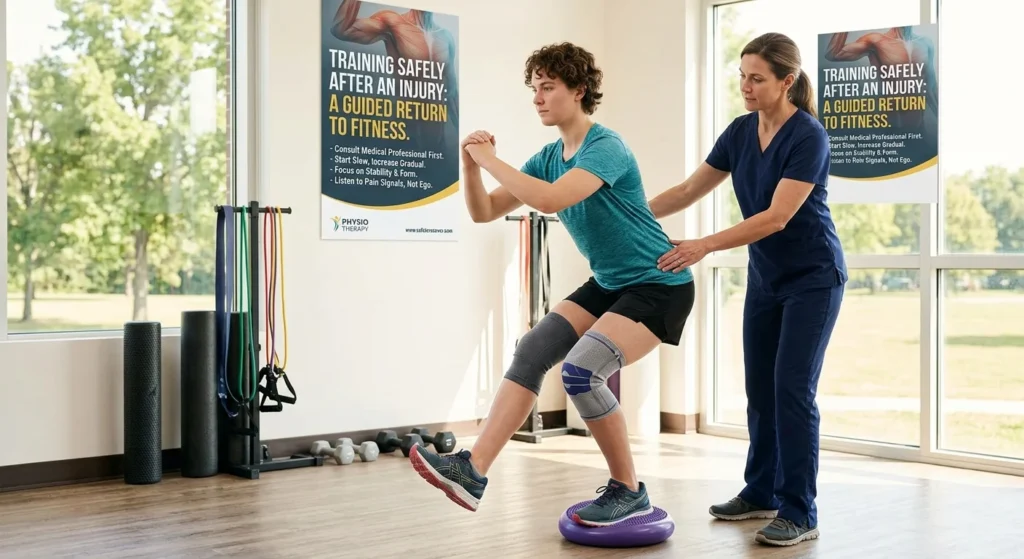
Table of Contents
How to Train Safely After an Injury
Recovering from an injury can be a frustrating and challenging process, especially if fitness and training are a big part of your life. However, returning to exercise too quickly or without the right guidance can lead to setbacks or even further injury. That’s why learning how to train safely after an injury is essential for long term recovery and performance.
At Roni’s Fit Quest, the focus is on helping you rebuild strength, confidence, and mobility in a safe and structured way. Whether you are recovering from surgery, a muscle strain, or a long break from training, the right approach can make all the difference in your recovery journey.
Understanding Your Injury Before Returning to Training
Before you begin training again, it is important to fully understand your injury and its current stage of recovery. Not all injuries heal at the same rate, and each body responds differently.
Consulting with a medical professional such as a doctor or physiotherapist is always recommended. They can provide guidance on what movements are safe and when you can begin exercising again.
Training without proper clearance can delay recovery and increase the risk of re injury. At Roni’s Fit Quest, every client is encouraged to prioritize health and safety before starting any program.
Start Slowly and Progress Gradually
One of the most common mistakes after an injury is trying to return to previous performance levels too quickly. Your body needs time to adapt and rebuild strength safely.
Start with low intensity exercises and gradually increase the difficulty over time. Focus on:
- Light resistance
- Controlled movements
- Proper form over intensity
Progression should always be gradual. This allows your body to adapt without unnecessary stress, helping you rebuild strength in a controlled and sustainable way.
Focus on Proper Form and Technique
Proper form is one of the most important aspects of training safely after an injury. Incorrect technique can place unnecessary stress on your joints and muscles, increasing the risk of reinjury.
Working with a qualified coach ensures that every movement is performed correctly. At Roni’s Fit Quest, form correction and technique are a core part of every training session, helping clients move safely and efficiently.
Mastering proper movement patterns will not only protect your body but also improve your overall performance in the long term.
Listen to Your Body
Your body gives you signals, and it is important to listen to them. Pain is not something to ignore during recovery.
There is a difference between:
- Muscle discomfort from training
- Pain that indicates injury or strain
If something feels wrong, stop and reassess. Training through pain can lead to setbacks and delay your recovery progress.
Building awareness of your body is key to long term success and injury prevention.
Prioritize Recovery and Rest
Recovery is just as important as training when you are coming back from an injury. Your body needs time to heal and adapt to new physical demands.
Make sure to include:
- Adequate rest between sessions
- Proper sleep
- Hydration
- Balanced nutrition
Ignoring recovery can slow down progress and increase the risk of injury. At Roni’s Fit Quest, recovery is always considered an essential part of the training process.
Work with a Personal Trainer
Training after an injury can feel overwhelming, especially if you are unsure where to start. Working with a personal trainer provides structure, guidance, and accountability.
A professional trainer can:
- Create a personalized program based on your injury
- Ensure proper form and technique
- Adjust exercises based on your progress
- Help you rebuild confidence in your movement
At Roni’s Fit Quest, training programs are tailored to each individual, with a strong focus on safe progression and long term results.
Build Confidence Step by Step
After an injury, it is normal to feel hesitant or unsure about certain movements. Rebuilding confidence is an important part of the recovery process.
Start with small, achievable goals and gradually increase your intensity as your confidence grows. Celebrate each milestone, no matter how small it may seem.
Confidence comes from consistency and progress over time.
Conclusion
Training safely after an injury requires patience, awareness, and the right approach. By understanding your injury, progressing gradually, focusing on proper form, and prioritizing recovery, you can return to training stronger and more confident than before.
At Roni’s Fit Quest, the goal is to guide you through this journey with personalized coaching, ensuring you rebuild your strength safely and effectively. Recovery is not just about getting back to where you were—it’s about becoming stronger than ever.
Stay Tuned by Following us: